
Crack Chasing and Joint Filling Service
Metallic Epoxy Floors
Get in touch
20 Allenby St, Woodbridge, ON L4H 3P4
info@jpresin.ca
416-877-7861
Crack Chasing & Joint Filling in Woodbridge, Vaughan and Toronto
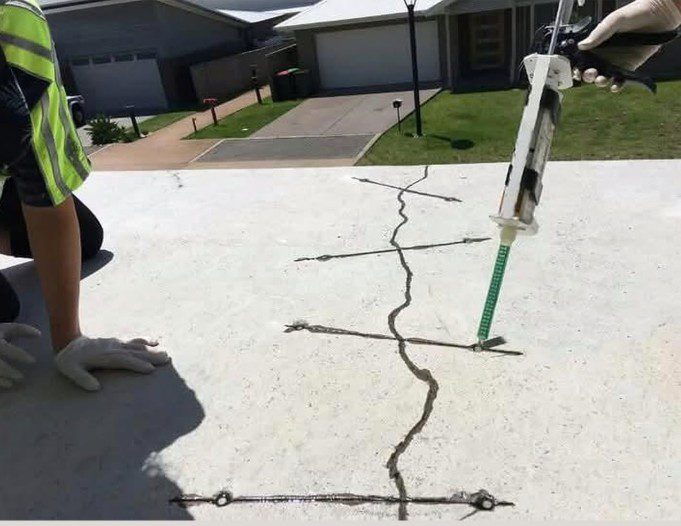
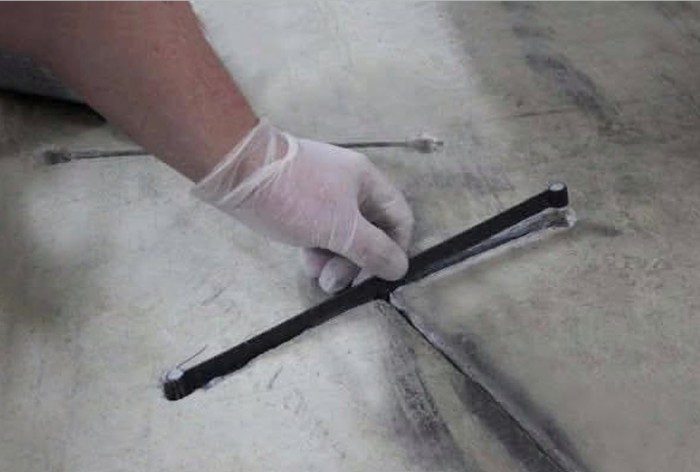
Crack chasing and joint filling is the repair step where we cut out cracks and control joints in the concrete, clean them out, and fill them with a strong, flexible material so they stop spreading and the new floor sits level over the top. Concrete cracks. It's what it does as it settles and moves with temperature, and ignoring those cracks before a coating goes down just lets them telegraph right through your new floor. For homes, this matters most in garages and basements where you've got hairline cracks that catch dirt, or control joints that you'd rather not see in the finished floor. Chasing the crack means we open it up slightly, so the filler actually grips the sides instead of sitting loose on top, and the repair holds. Once it's filled and the floor is coated, you get a smooth, even surface instead of a line that cracks again the first cold winter.
For businesses, unfilled cracks and joints are a real problem, not just a cosmetic one. In warehouses and shops, forklift wheels and heavy carts hammer the edges of an open joint until they chip and spall, which only makes the gap bigger and the repair more expensive later. Open joints in commercial kitchens and food spaces trap water, grease, and debris, which turns into a hygiene and inspection issue fast. Filling them with the right semi rigid material supports the joint edges under heavy traffic and keeps spills from working down into the slab. If you want a floor that stays flat, passes inspection, and doesn't chip apart at every seam, this prep step is what makes that happen.
Crack Chasing & Joint Filling FAQ
Why do cracks need to be cut open before filling?
A filler dropped into a thin, dirty crack has nothing to grip. Chasing the crack opens it slightly and gives clean sides for the filler to bond to, so the repair actually holds instead of popping back out.
Will the crack just come back after you fill it?
A properly chased and filled crack stays put far longer than a surface patch. We use flexible fillers that move a little with the concrete, so normal settling and temperature swings don't split the repair open again.
What's the difference between a crack and a control joint?
A control joint is cut on purpose to tell the concrete where to crack as it cures. A crack is unplanned movement. We treat them differently, filling joints with a semi rigid material that still supports the edges and addressing random cracks based on how active they are.
Do you fill every joint, or leave some open?
It depends on the floor. Some joints need to stay as movement joints, and filling those solid would cause problems. We look at the slab and decide which joints get filled flush and which stay functional, then explain why before we start.
My garage has a big crack across the floor. Can it be fixed?
Usually, yes. We clean it out, chase it open, and fill it so the coating goes over a stable, level surface. We'll take a look first and tell you straight whether it's a simple fill or a sign of a bigger slab issue.
Does this stop water from getting under the floor?
Filling joints and cracks closes off the easy paths for water, grease, and debris to work into the slab, which helps a lot in kitchens, wash areas, and damp basements. It's not a full waterproofing system on its own, but it's a big part of keeping the floor sealed and clean.