Concrete Sealing Service
Metallic Epoxy Floors
Get in touch
20 Allenby St, Woodbridge, ON L4H 3P4
info@jpresin.ca
416-877-7861
Concrete Sealing in Woodbridge, Vaughan and Toronto
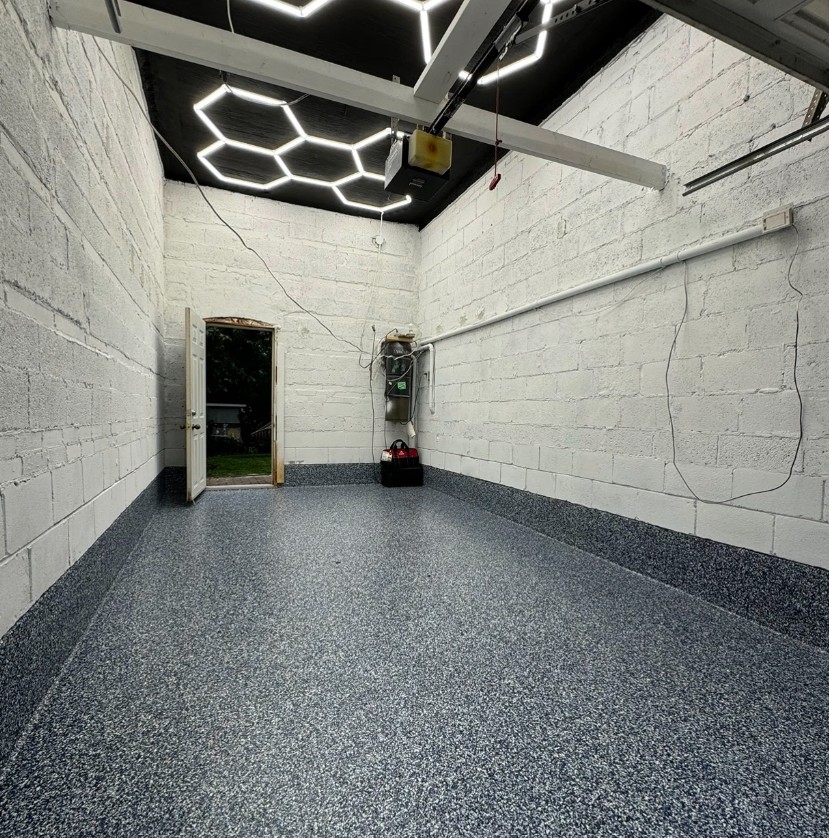
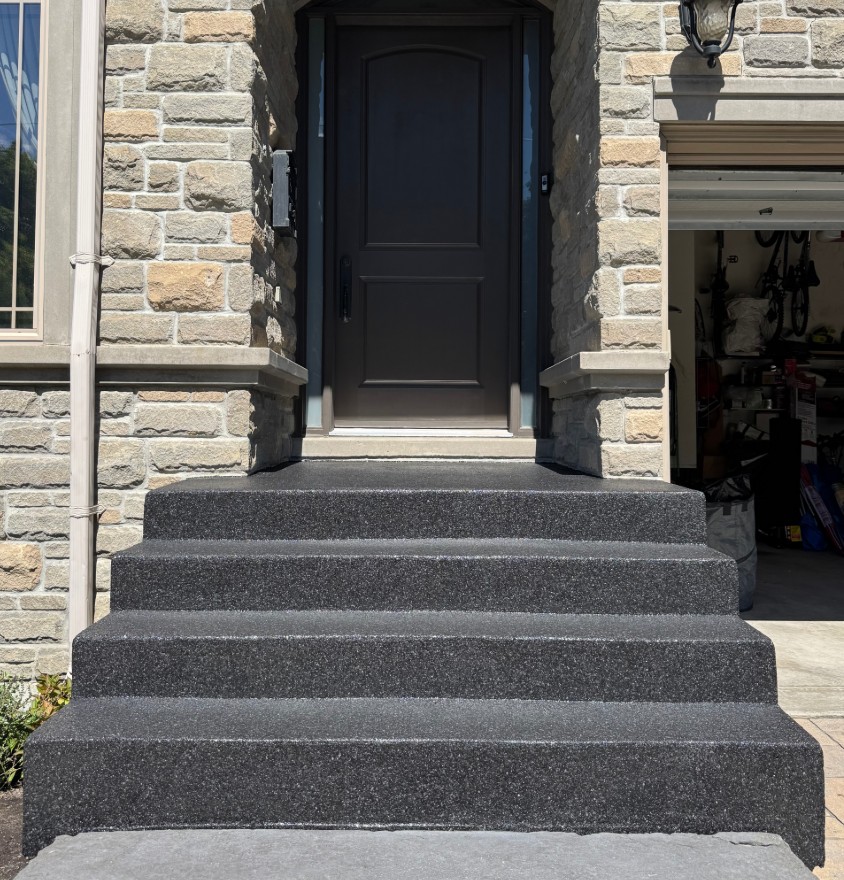
Concrete sealing protects porous concrete surfaces from water intrusion, salt damage, oil stains, chemical spills, and freeze thaw deterioration that can slowly break down the slab over time. Homeowners often seal garage floors, driveways, basements, patios, and walkways after noticing dusting concrete, surface discoloration, moisture problems, or small cracks beginning to spread. Commercial properties use concrete sealing in warehouses, showrooms, restaurants, workshops, and production spaces where heavy traffic, cleaning chemicals, and constant use can wear down untreated concrete quickly.
The process usually begins with surface preparation where old coatings, dirt, grease, laitance, and weak concrete are removed through grinding or shot blasting to create the proper profile for adhesion. After prep work is complete, cracks and control joints are repaired and filled so the final sealed surface cures smoother, more uniform, and more resistant to future movement or moisture penetration. Once the sealer is applied, the concrete develops a denser and more protected finish that can appear matte, satin, or glossy depending on the coating system selected for the environment.
Properly sealed concrete is easier to clean because dust, liquids, road salt, tire residue, and contaminants remain on the surface instead of soaking deep into the slab. Concrete sealing is often used as both a standalone protective treatment and as the foundation phase before epoxy, polyaspartic, or urethane flooring systems are installed to improve long term durability and coating performance.
Concrete Sealing FAQ
How do I know if my concrete needs sealing?
Concrete may need sealing if you notice surface dusting, moisture absorption, staining, discoloration, small cracks, or areas that are becoming harder to clean. Outdoor concrete exposed to road salt, rain, and freeze thaw cycles is especially vulnerable to deterioration without proper protection.
Can concrete sealing help prevent cracks and water damage?
Concrete sealing helps reduce water penetration that can weaken the slab over time and contribute to cracking during temperature changes. While it does not stop structural movement, it helps protect the surface from moisture related damage and premature wear.
What types of properties benefit from concrete sealing?
Concrete sealing is commonly used in residential garages, basements, driveways, patios, and walkways as well as commercial warehouses, retail spaces, workshops, restaurants, and industrial facilities. Any concrete surface exposed to traffic, spills, moisture, or chemicals can benefit from added protection.
What happens before the sealer is applied?
The concrete surface is usually cleaned and mechanically prepared through grinding or shot blasting to remove contaminants, weak concrete, old coatings, and surface buildup. Cracks and damaged sections may also be repaired before the sealing system is installed.
Will sealed concrete be easier to maintain?
Properly sealed concrete is easier to clean because liquids, dirt, oil, and debris stay closer to the surface instead of soaking into the slab. This helps reduce staining and makes regular maintenance more manageable for both homeowners and businesses.
Can concrete sealing be done before installing epoxy or resin flooring?
Yes, concrete sealing and surface preparation are often completed as part of the foundation process before epoxy, polyaspartic, or urethane flooring systems are installed. Proper sealing and preparation improve coating adhesion, durability, and long term performance.